The Hollinwell Incident: The Day 300 Children Collapsed Without Explanation
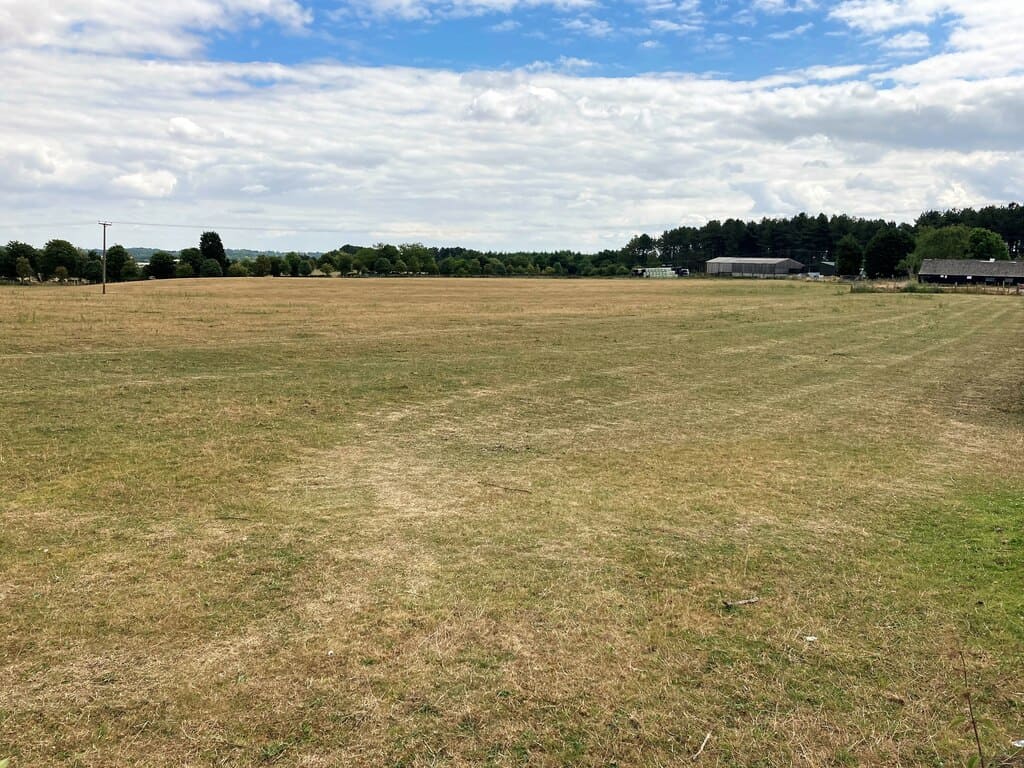
The Hollinwell Incident of 1980 left 300 children mysteriously ill. Decades later, no one truly knows what happened that summer day.


 The Ghost
The Hollinwell Incident of 1980 left 300 children mysteriously ill. Decades later, no one truly knows what happened that summer day.
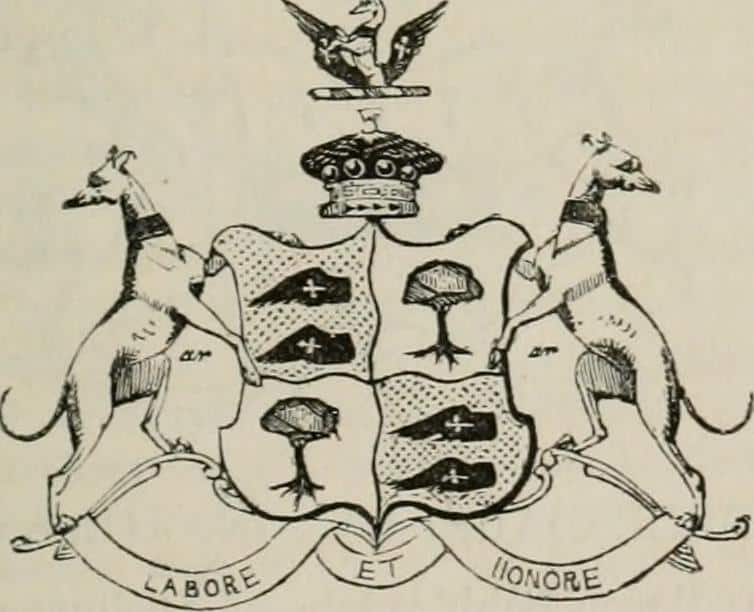
False Titles of Nobility have fooled people for centuries. From fake Scottish lairds to phantom princes, the scam runs deeper than you think.

The Cottingley Fairies photographs fooled Sir Arthur Conan Doyle and captivated the world for decades before being revealed as an elaborate hoax.
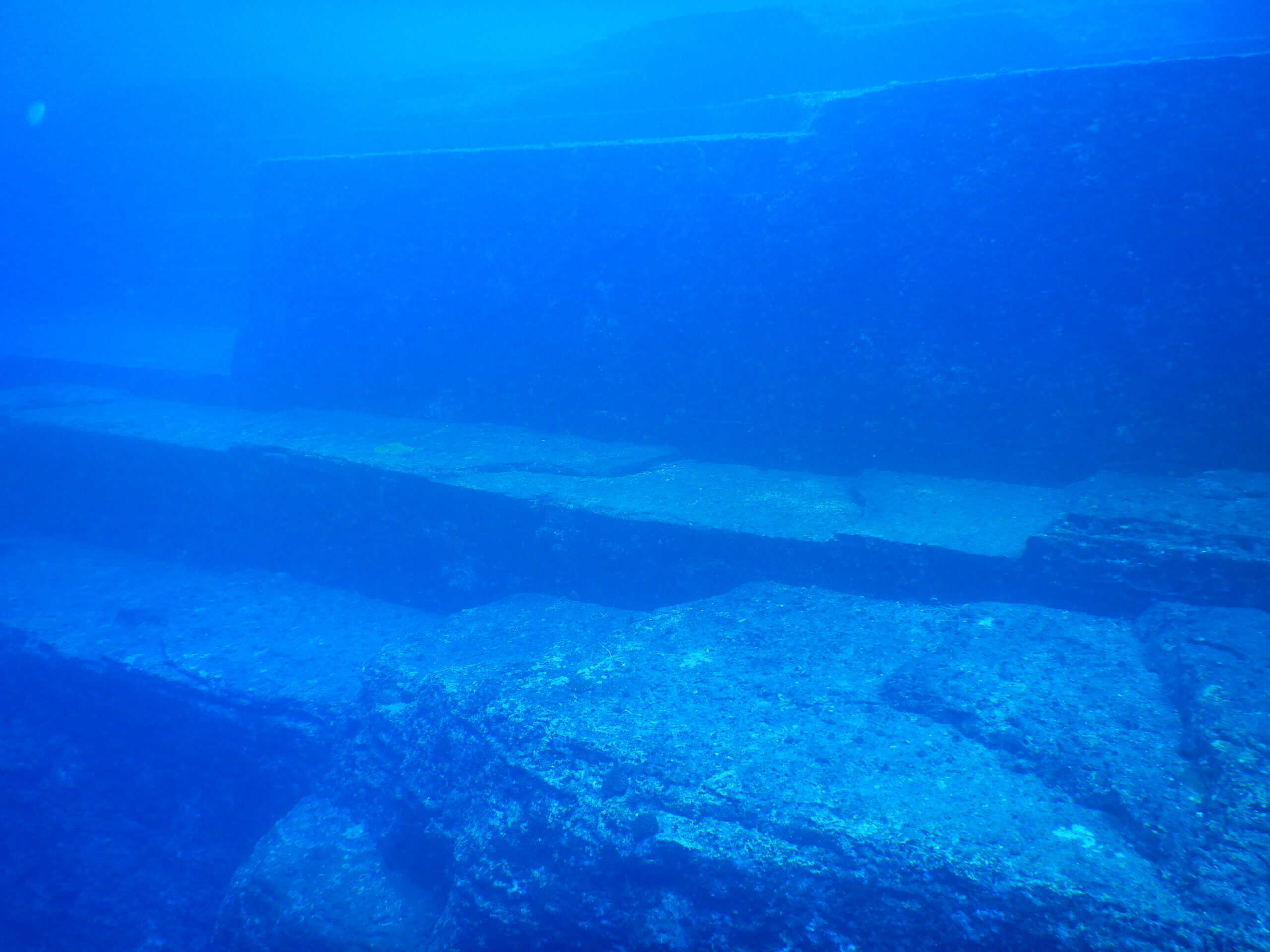
The Yonaguni Monument lies beneath Japan’s waters, sparking debates about ancient civilizations and lost worlds for decades.
The Phantom Time Hypothesis suggests 297 years of history were fabricated, making Charlemagne a fictional character and our calendar wrong.

The Great Reset sparked wild conspiracy theories claiming secret elites engineered COVID-19 to control the world economy and abolish private property.
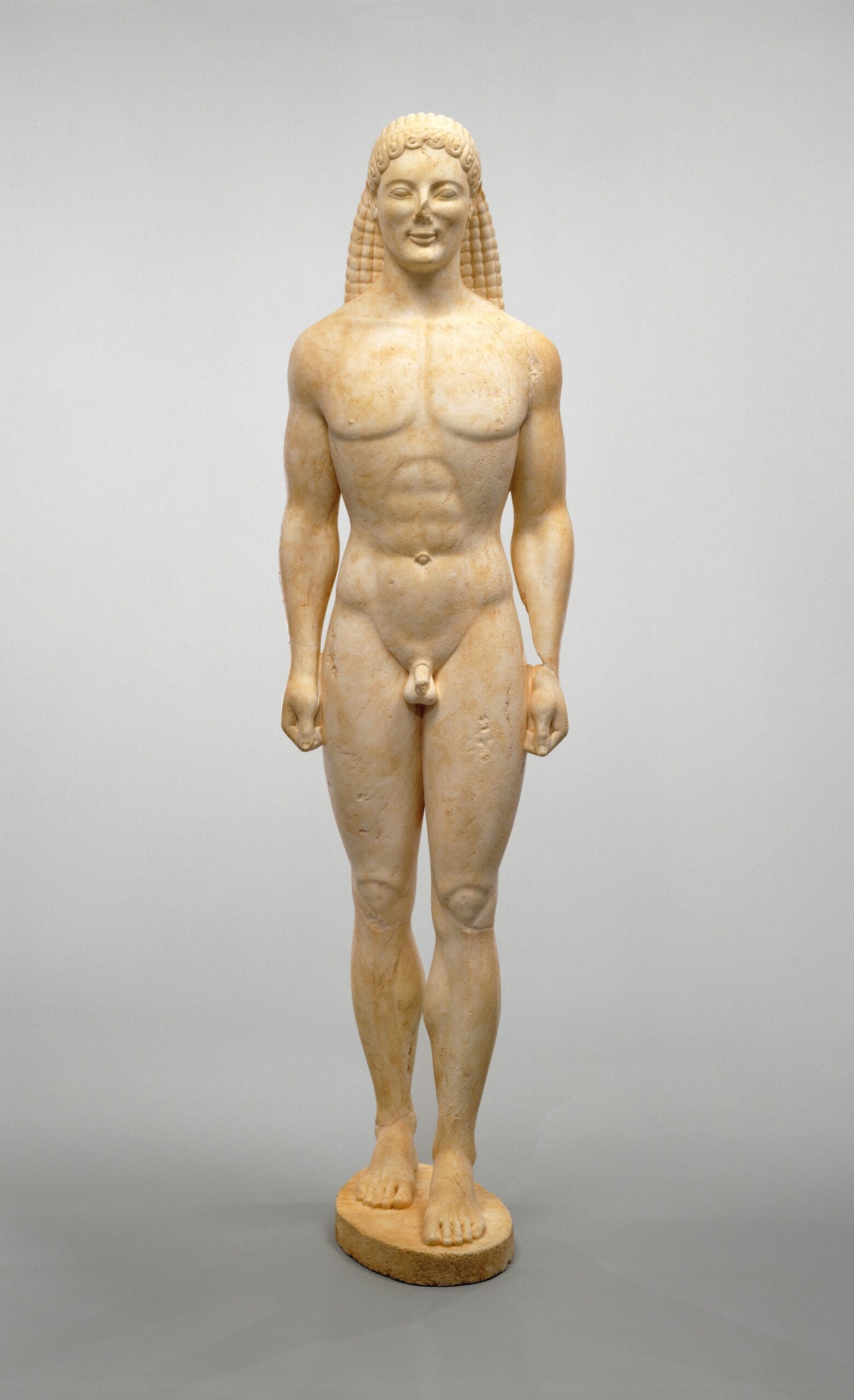
The Getty Kouros divides experts between ancient masterpiece and elaborate modern forgery. This marble statue’s authenticity remains one of art’s greatest mysteries.
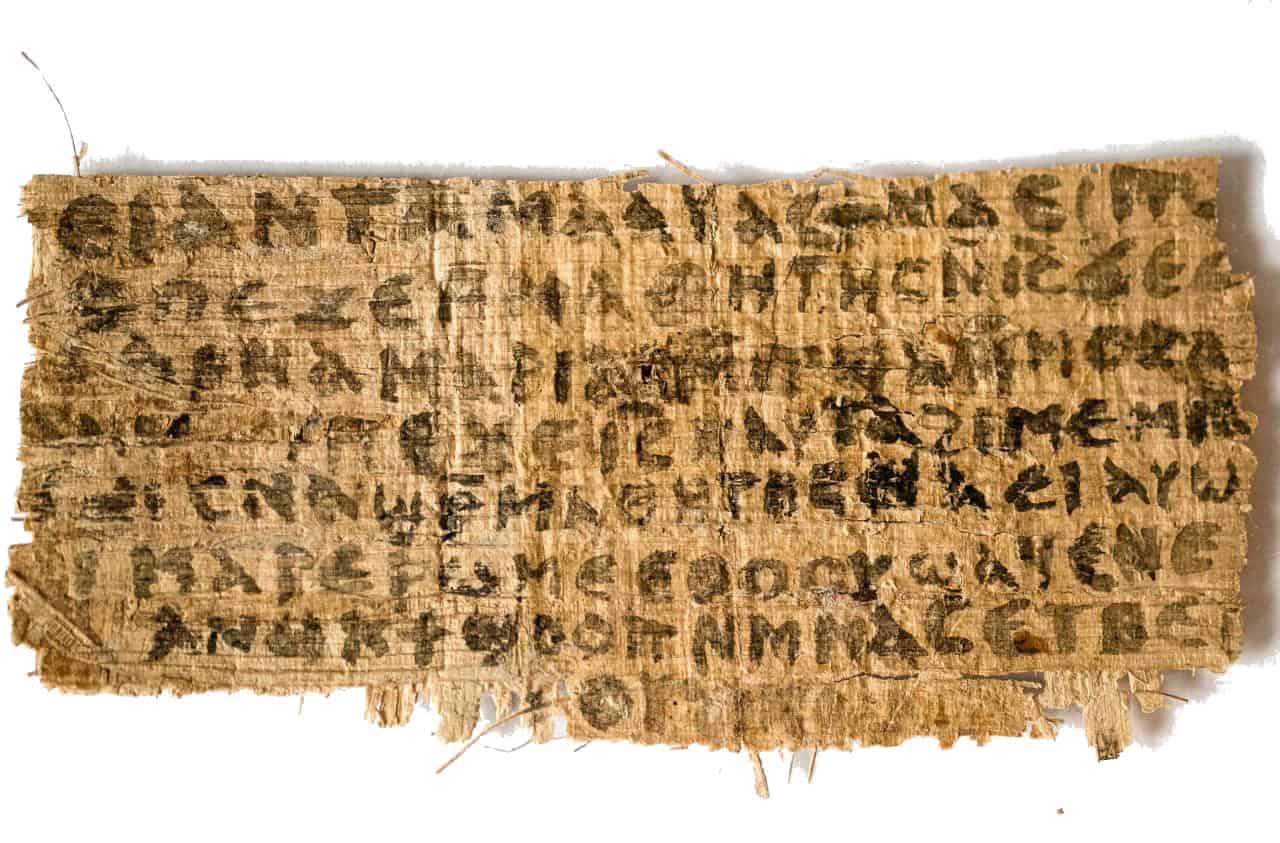
The Gospel of Jesus’ Wife papyrus shocked the world in 2012, but this ancient text hiding Jesus’s marriage secret was actually a modern hoax.
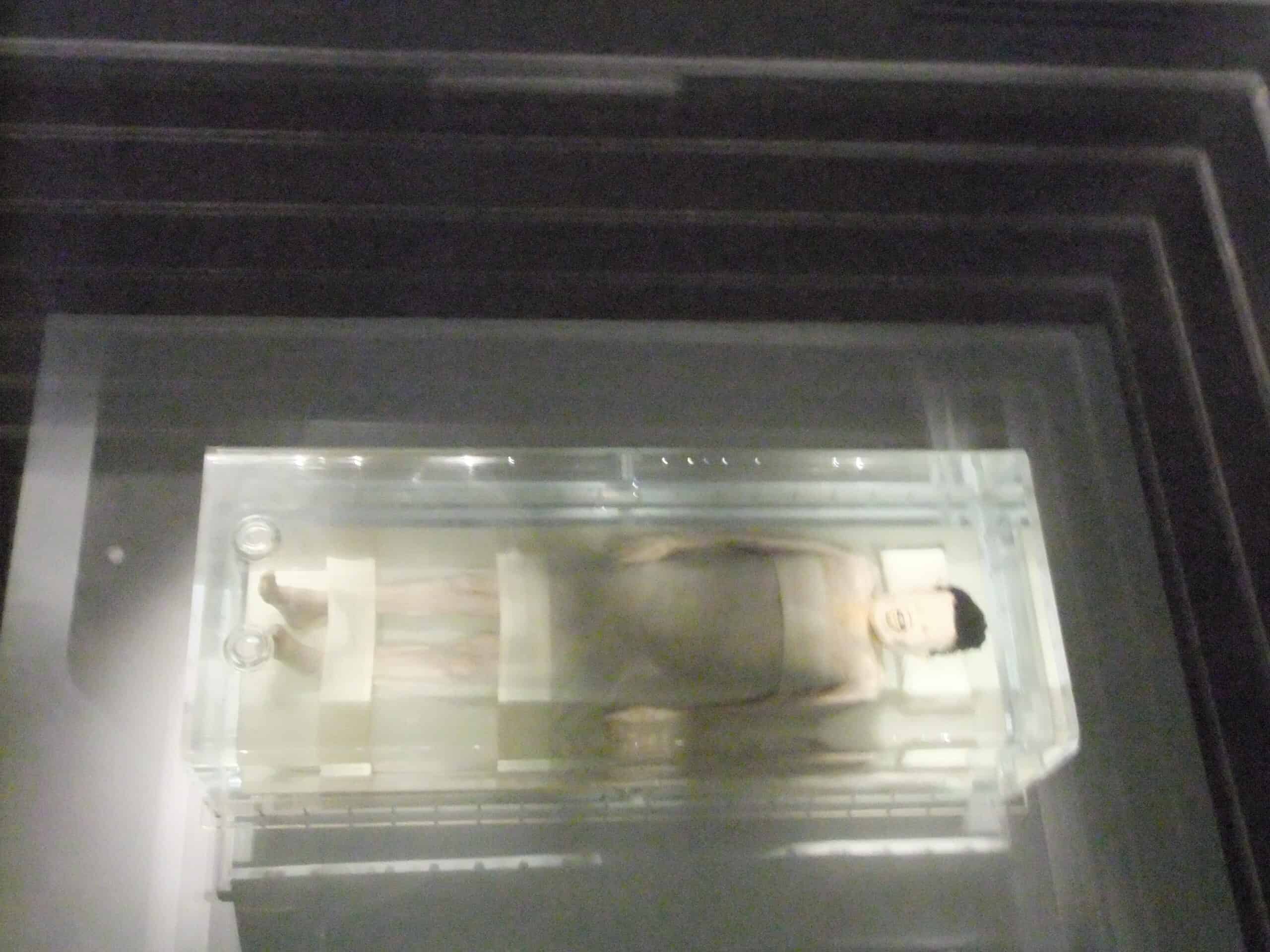
The Xin Zhui (Lady Dai) Mummy Preservation Mystery reveals a 2,000-year-old corpse so perfectly preserved that blood still flows through her veins.

Women and Children First became a deadly maritime myth after the HMS Birkenhead disaster, but shocking studies reveal men survived at twice the rate.