Fictitious Entry: The Dark Art of Literary Deception That Haunts Reference Works
Fictitious entry traps lurk in encyclopedias and maps, creating phantom people and places that blur the line between reality and illusion.
The Davenport Tablets sparked a century-long archaeological conspiracy. Three mysterious slate inscriptions fooled experts until the truth emerged.
The Tasaday Hoax fooled the world for 15 years. A fake Stone Age tribe in the Philippines became one of anthropology’s greatest deceptions.
The Shadwell Forgeries fooled Victorian antiquarians despite crude craftsmanship. Billy and Charley’s lead fakes became more valuable than real artifacts.
Mary Toft shocked 18th-century England by convincing doctors she birthed rabbits. Her bizarre hoax exposed medical gullibility and ruined careers.
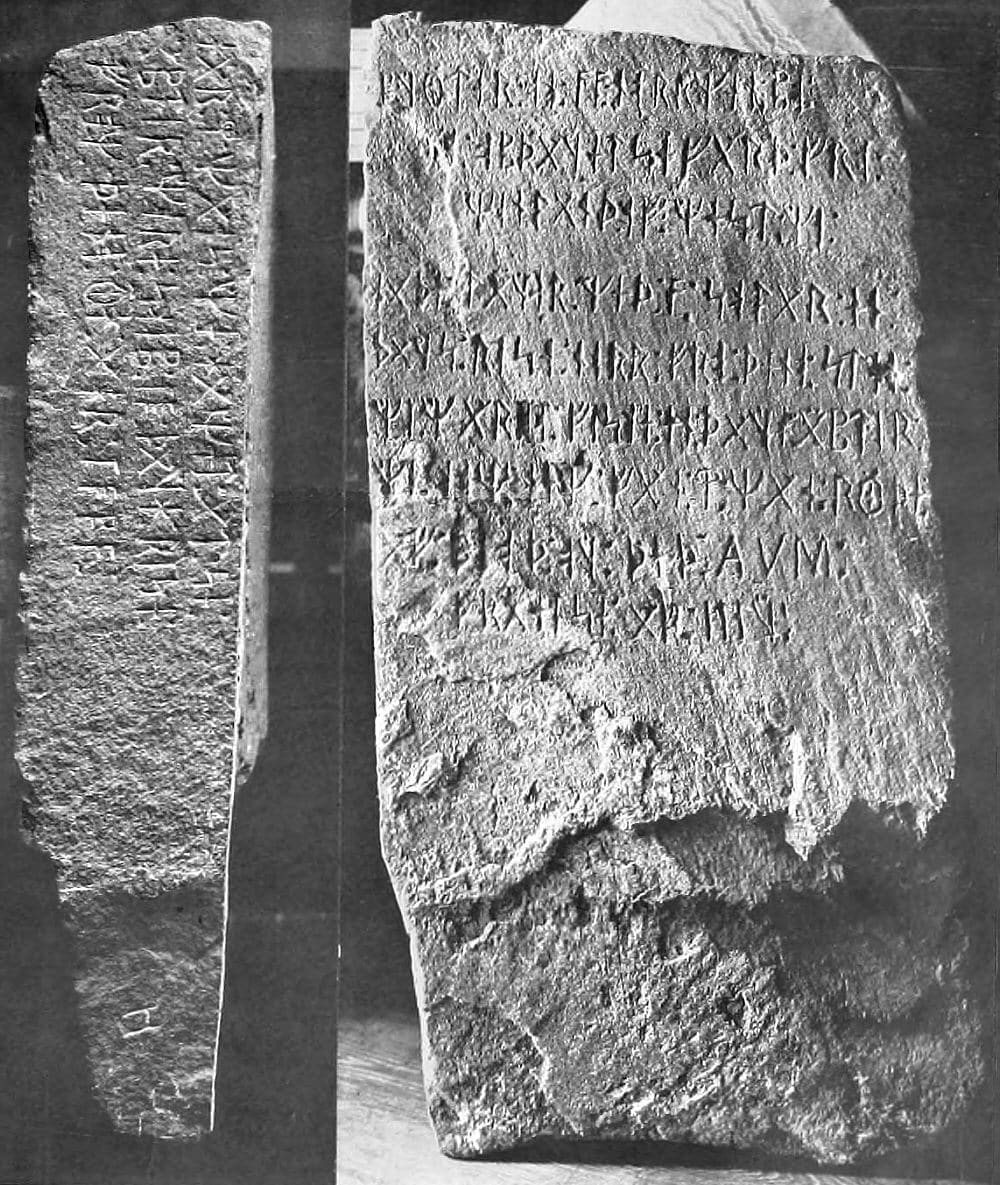
The Grave Creek Stone sparked fierce debates about pre-Columbian writing in America before shocking revelations exposed a potential hoax.
The Himalayan Fossil Hoax shocked the scientific world when Australian geologist John Talent exposed decades of fraud by Indian paleontologist Vishwa Jit Gupta.
The Poppy Fields weren’t real, but their hit song was. This Welsh band’s deception shocked the music world in 2004.
The Blue Star Tattoo Legend spread panic among parents worldwide with false claims of LSD-laced temporary tattoos targeting children.
China Is a Sleeping Giant – explore the eerie origins of this famous misattributed quote and its strange journey through history.